
Enlarged
Edwin Roovers
I thought, quite egocentrically, that if you had inherited it, then I probably wouldn't have it after all.

MD (Myotonic Dystrophy) is the most deadly muscle disease of its kind. Yet it is often diagnosed too late or not at all, and there is insufficient research and funding. This has heartbreaking consequences, such as many children with severe symptoms. MD affects entire families (1 in every 2,100 people).
To make the wider Dutch public aware of the terrible impact of MD, we have developed a campaign that finally puts the disease firmly in the spotlight.
Jannah Roovers (26) and Remco Roovers (56) lost their father and brother Edwin to the effects of MD. In a moving video, they write a letter to Edwin. In it, they describe how the disease affects their entire family — literally, since Jannah and Remco both have MD themselves.
With this video, they also want to draw more attention to a disease that is still largely unknown to the general public. Because only with more attention can more financial support follow.
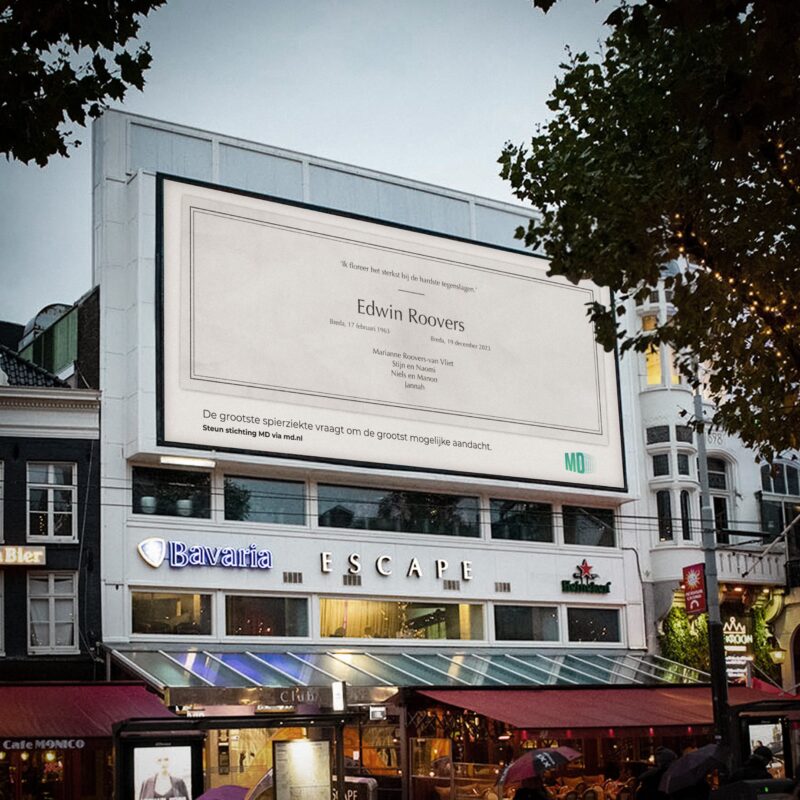
To wake the Netherlands up to MD, we’re taking a radically simple yet confronting approach. We enlarge real death notices of people who have died of MD to billboard size. These death notices, which normally appear small in the newspaper and are seen by only a handful of people, are now placed gigantic and impossible to miss in the streetscape. The death notices can be seen not only in major Dutch cities, but also along the motorways. These are real people who died of MD.
By showing the names (and stories) of people who died of MD, we give the disease a face.
I thought, quite egocentrically, that if you had inherited it, then I probably wouldn't have it after all.
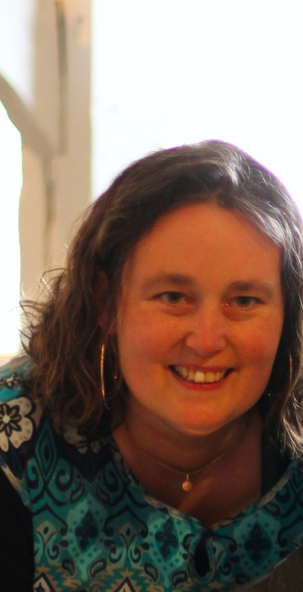
"The result of your test came at our mother's funeral.”
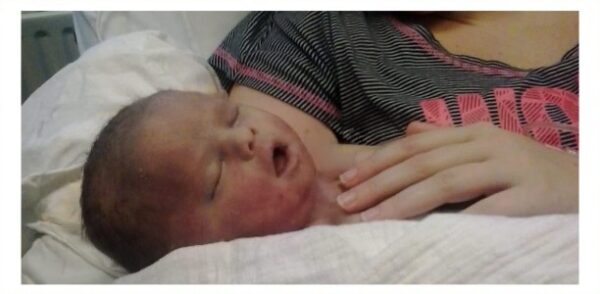
"42 hours after birth, Vajèn dies in Hennie's arms."

"While my vocabulary grew over the years, you became harder and harder to understand."
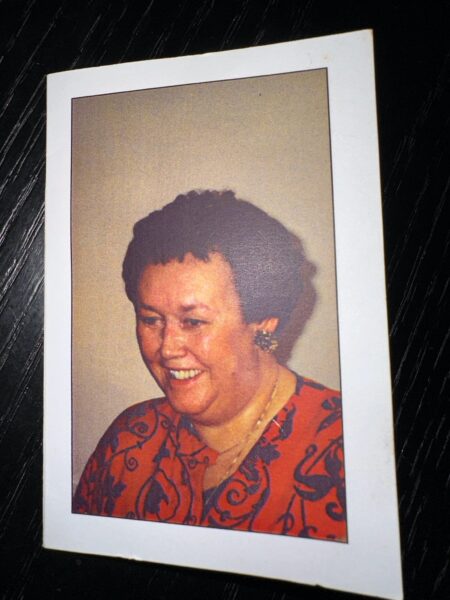
"You always looked for the things you could still do."
Your donation makes the difference for countless families and future generations.
It is important to diagnose MD early, so that potential complications can be detected and treated in time. Education and genetic counselling can also help prevent the disease from being passed on unknowingly within a family. Greater awareness is essential here: it leads to faster recognition, appropriate support, and more backing for further research. It also gives patients and their loved ones clarity through an early diagnosis. New treatments for MD are currently being studied in various trials. If these treatments become available, it will be important that they are started early to achieve the greatest possible effect.